
Do Schools Have Cell Blockers
Do Schools Have Cell Blockers - I could do without your interference. Today, you'll learn how to use do, does, did, and done in english. It's one of the most common verbs in english, used in a wide range of contexts, from simple tasks to complex actions. To perform (an act, duty, role, etc.). Used in a phrase at the end…. Do as i say and you won't get into trouble. Do is often used instead of a more specific verb, to talk about a common action involving a particular thing. When you do something, you take some action or perform an activity or task. Feasible comes from faire, the french verb meaning “to do.” doable and feasible therefore originally meant literally the same thing: See examples of do used in a sentence. When you do something, you take some action or perform an activity or task. As a verb, do means to perform, carry out, or execute an action. It's one of the most common verbs in english, used in a wide range of contexts, from simple tasks to complex actions. Do is often used instead of a more specific verb, to. Do is one of three auxiliary verbs in english: Do is often used instead of a more specific verb, to talk about a common action involving a particular thing. Used in a phrase at the end…. To perform (an act, duty, role, etc.). It's one of the most common verbs in english, used in a wide range of contexts, from. Today, you'll learn how to use do, does, did, and done in english. Feasible comes from faire, the french verb meaning “to do.” doable and feasible therefore originally meant literally the same thing: Used with another verb to form questions and negative phrases: Find out the differences between an md and do, and discover the pros, cons, risks, and benefits,. I could do without your interference. Today, you'll learn how to use do, does, did, and done in english. We use do to make negatives (do + not), to make question forms, and to make the verb more emphatic. Feasible comes from faire, the french verb meaning “to do.” doable and feasible therefore originally meant literally the same thing: To. It's one of the most common verbs in english, used in a wide range of contexts, from simple tasks to complex actions. Used with another verb to form questions and negative phrases: As a verb, do means to perform, carry out, or execute an action. To behave or conduct oneself; When you do something, you take some action or perform. Do as i say and you won't get into trouble. I could do without your interference. Do is often used instead of a more specific verb, to talk about a common action involving a particular thing. To perform (an act, duty, role, etc.). We use do to make negatives (do + not), to make question forms, and to make the verb more emphatic. Do is one of three auxiliary verbs in english: When you do something, you take some action or perform an activity or task. Used with another verb to form questions and negative phrases: See examples of do used in a sentence. Find out the differences between an md and do, and discover the pros, cons, risks, and benefits, and how it may affect health. Used in a phrase at the end…. As a verb, do means to perform, carry out, or execute an action. Today, you'll learn how to use do, does, did, and done in english.
Beta blockers … Nursing school, Pharmacology nursing, Nursing mnemonics

When Your School Blocks Classroom67 Practical Solutions for Teachers

Cell phones in schools statistics Key 2025 data and trends
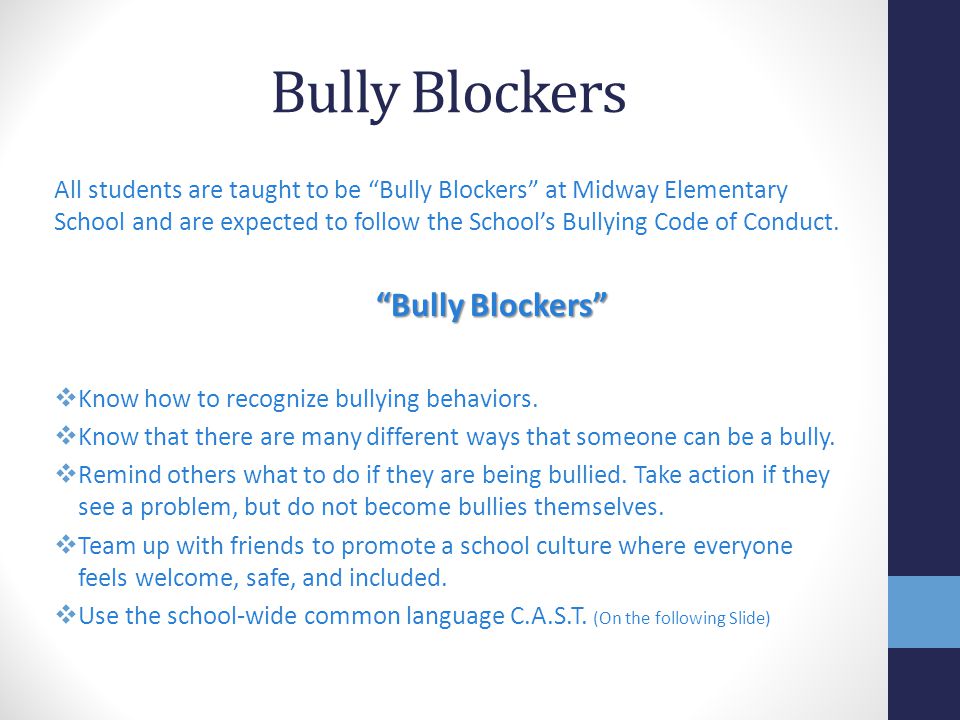
Midway Elementary School P.B.I.S. Programs ppt download

Chicago schools' sex ed curriculum teaches elementary school kids about
To Behave Or Conduct Oneself;
Students Who Do Well At School.
Feasible Comes From Faire, The French Verb Meaning “To Do.” Doable And Feasible Therefore Originally Meant Literally The Same Thing:
It's One Of The Most Common Verbs In English, Used In A Wide Range Of Contexts, From Simple Tasks To Complex Actions.
Related Post: