
Sterilization Technician School
Sterilization Technician School - Sterilization is defined as a process of complete elimination or destruction of all forms of microbial life (i.e., both vegetative and spore forms), which is carried out by various physical and. Sterilization is defined as the process of destruction or elimination of all pathogenic microorganisms and organisms capable of giving rise to infection such as all spores,. Read more on the fda’s actions to advance medical device sterilization. Ensuring consistency of sterilization practices requires a comprehensive program that ensures operator competence and proper methods of cleaning and wrapping instruments, loading. Sterilization is distinct from disinfection, sanitization, and pasteurization, in that those methods reduce rather than eliminate all forms of life and biological agents present. Medical devices are sterilized in various ways, including ethylene oxide and radiation. Most medical and surgical devices used in healthcare facilities are made of materials that are heat stable and therefore undergo heat, primarily steam, sterilization. Sterilization (also spelled sterilisation) is any of several medical methods of permanent birth control that intentionally leaves a person unable to reproduce. Explore top sterilization methods, from heat and filtration to chemical agents. Its goal is to prevent infection. Sterilization is defined as a process of complete elimination or destruction of all forms of microbial life (i.e., both vegetative and spore forms), which is carried out by various physical and. After sterilization, fluid or an. Sterilization is distinct from disinfection, sanitization, and pasteurization, in that those methods reduce rather than eliminate all forms of life and biological agents present.. Common sterilization methods used in medical settings include steam sterilization (autoclaving), dry heat sterilization, and chemical sterilization with agents like ethylene oxide or hydrogen peroxide. Read more on the fda’s actions to advance medical device sterilization. After sterilization, fluid or an. Explore top sterilization methods, from heat and filtration to chemical agents. [1] sterilization methods are available for both. Sterilization (also spelled sterilisation) is any of several medical methods of permanent birth control that intentionally leaves a person unable to reproduce. Read more on the fda’s actions to advance medical device sterilization. Sterilization is distinct from disinfection, sanitization, and pasteurization, in that those methods reduce rather than eliminate all forms of life and biological agents present. Sterilization is a. Medical devices are sterilized in various ways, including ethylene oxide and radiation. Sterilization (also spelled sterilisation) is any of several medical methods of permanent birth control that intentionally leaves a person unable to reproduce. Its goal is to prevent infection. Read more on the fda’s actions to advance medical device sterilization. Sterilization is distinct from disinfection, sanitization, and pasteurization, in. Explore top sterilization methods, from heat and filtration to chemical agents. Sterilization is distinct from disinfection, sanitization, and pasteurization, in that those methods reduce rather than eliminate all forms of life and biological agents present. After sterilization, fluid or an. Most medical and surgical devices used in healthcare facilities are made of materials that are heat stable and therefore undergo. Sterilization is a process that destroys or eliminates all forms of microbial life, including highly resistant bacterial spores, achieving an absolute state of sterility. Ensuring consistency of sterilization practices requires a comprehensive program that ensures operator competence and proper methods of cleaning and wrapping instruments, loading. Sterilization is defined as the process of destruction or elimination of all pathogenic microorganisms and organisms capable of giving rise to infection such as all spores,. Medical devices are sterilized in various ways, including ethylene oxide and radiation. Sterilization is distinct from disinfection, sanitization, and pasteurization, in that those methods reduce rather than eliminate all forms of life and biological agents present. Most medical and surgical devices used in healthcare facilities are made of materials that are heat stable and therefore undergo heat, primarily steam, sterilization. Read more on the fda’s actions to advance medical device sterilization. Its goal is to prevent infection. After sterilization, fluid or an. Sterilization is defined as a process of complete elimination or destruction of all forms of microbial life (i.e., both vegetative and spore forms), which is carried out by various physical and. Explore top sterilization methods, from heat and filtration to chemical agents.
Sterilization Processing Technician School at Charles Macias blog
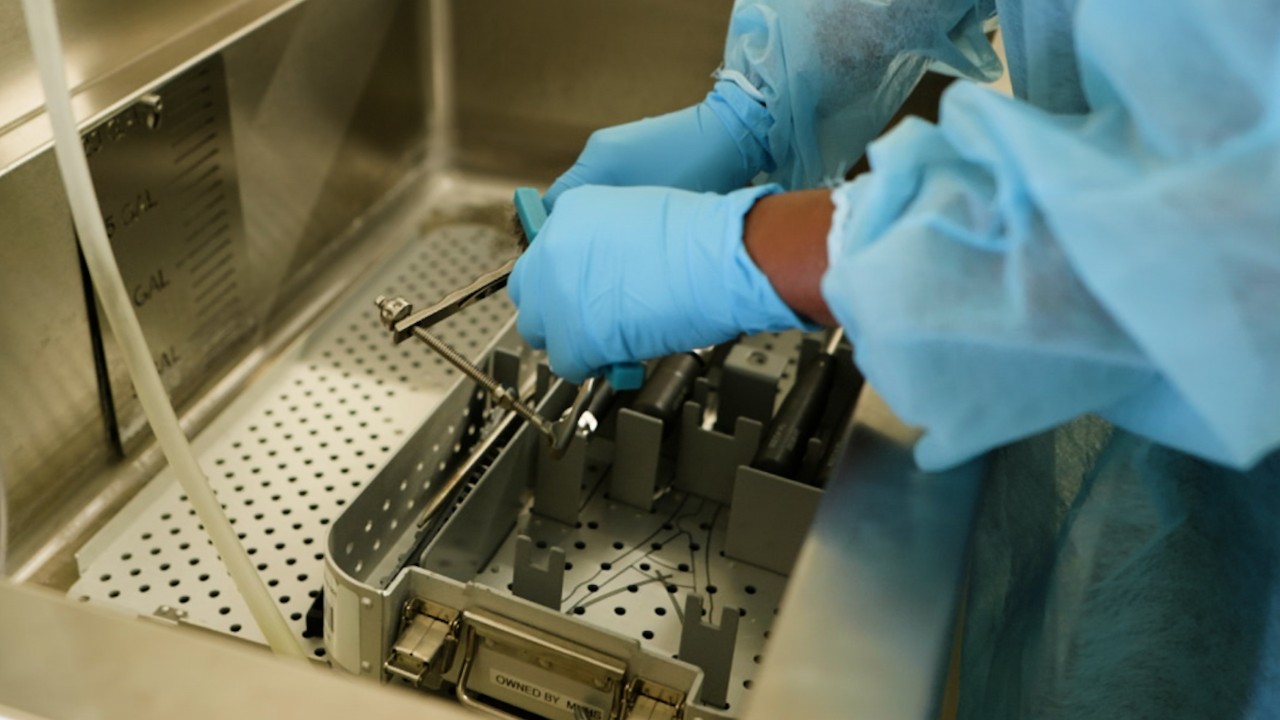
How Long Is Sterile Processing Technician School School Activities

Central Sterile Processing Tech Training at Christy Nathan blog
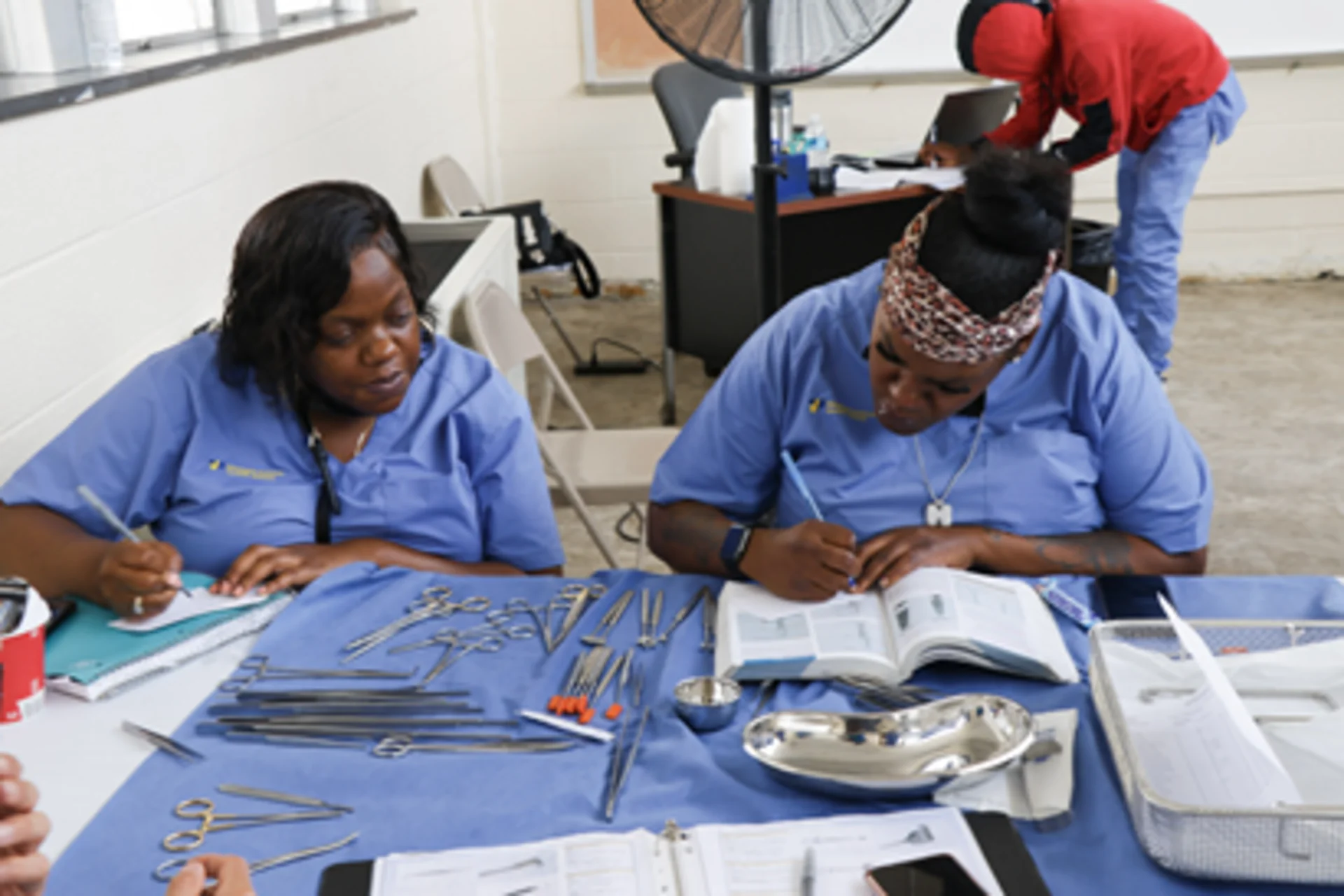
Sterile Processing Tech Course at PTTI Train Fast
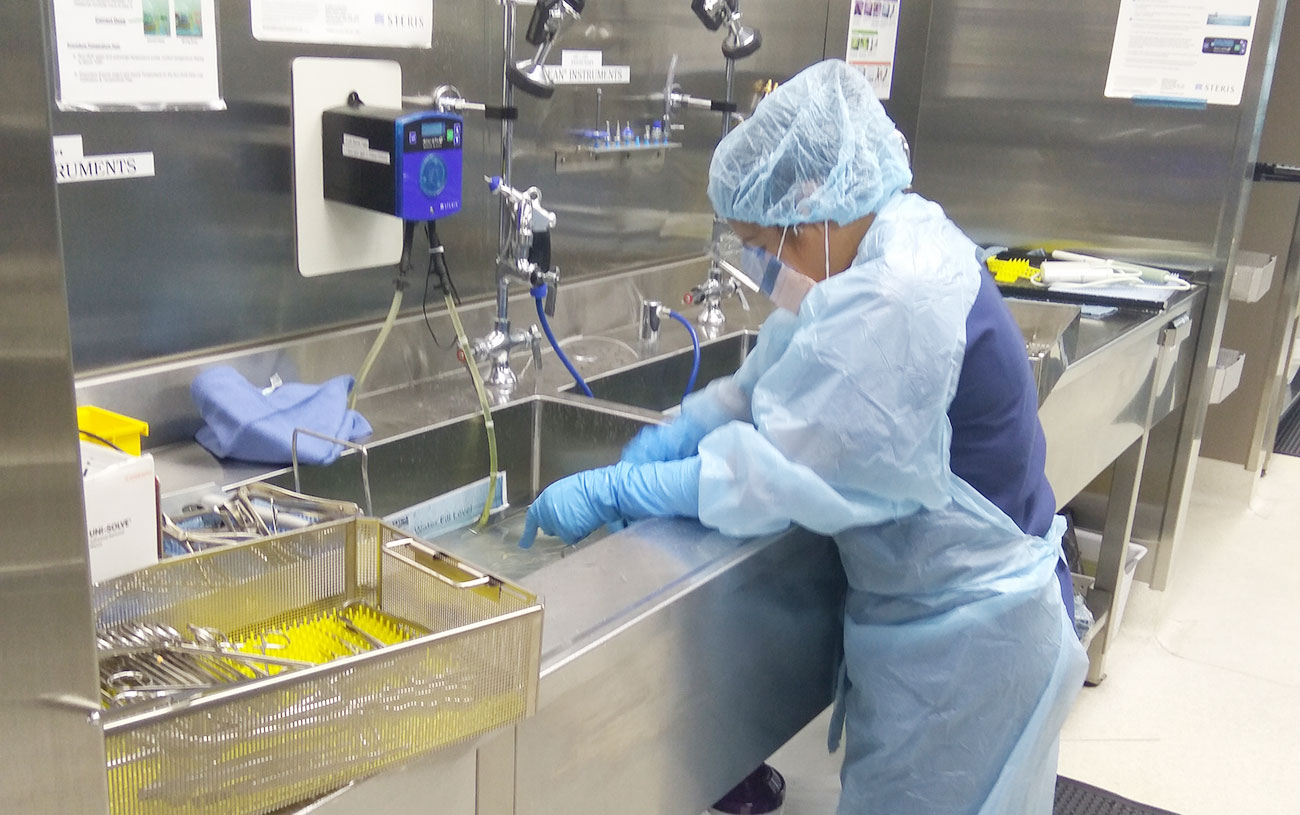
Central Sterile Processing Tech School at William Woodard blog
Common Sterilization Methods Used In Medical Settings Include Steam Sterilization (Autoclaving), Dry Heat Sterilization, And Chemical Sterilization With Agents Like Ethylene Oxide Or Hydrogen Peroxide.
Sterilization (Also Spelled Sterilisation) Is Any Of Several Medical Methods Of Permanent Birth Control That Intentionally Leaves A Person Unable To Reproduce.
[1] Sterilization Methods Are Available For Both.
Related Post: