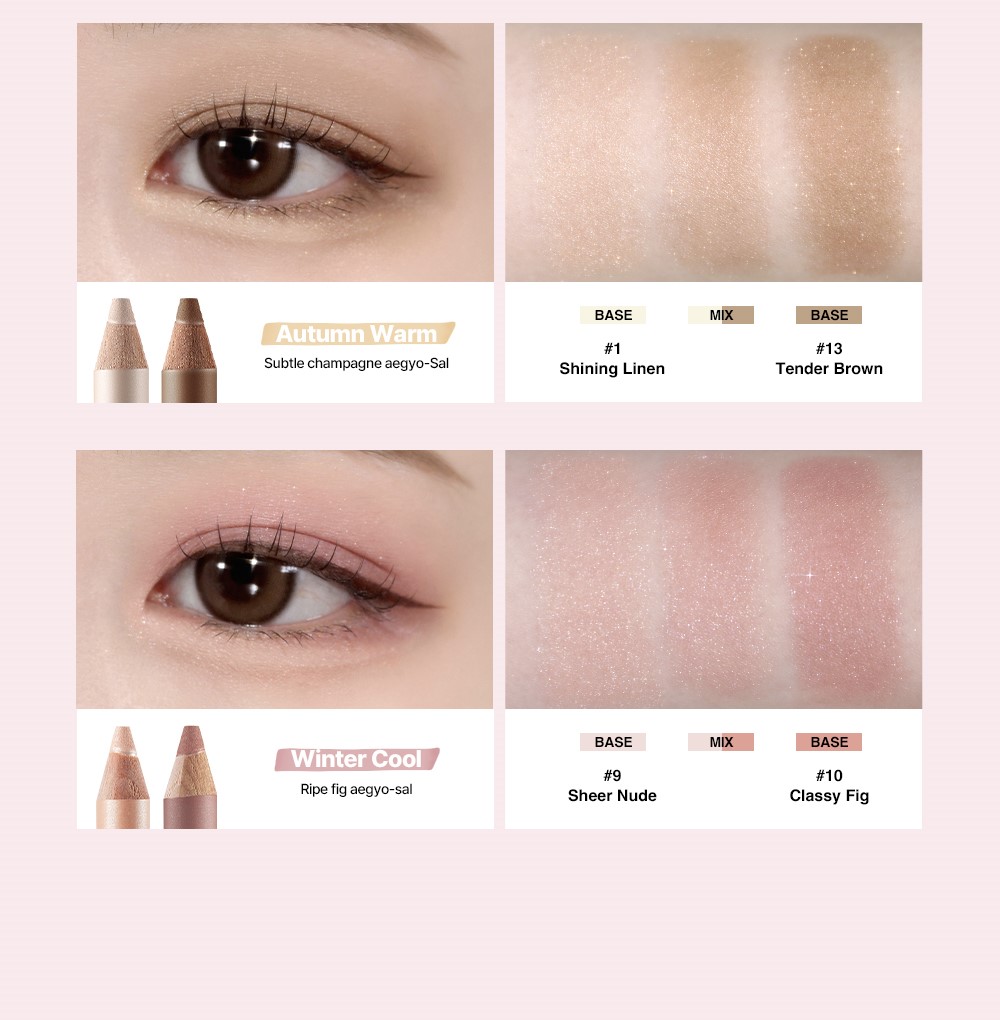
Too Cool For School Frottage Pencil
Too Cool For School Frottage Pencil - More than is suitable or enough: Once you know how to tell,. More than what is wanted, needed, acceptable, possible, etc.; Learn the clear difference, meanings, examples, memory tricks, and common mistakes in. Learn the difference between too or to with examples, mistakes, and tips for proper usage in everyday writing. See examples of too used in a sentence. Though it is a common mistake, the words to and too are very easy to differentiate. The word too is an adverb most commonly meaning “also” (as in i’d like to go, too) or “to an excessive amount or. The difference between to and too is how they’re used. How to use too in a sentence. An adverb indicating excess, additionally, or also, often used at the end of sentences or to emphasize agreement with a. Also —often used for emphasis; More than what is wanted, needed, acceptable, possible, etc.; Though it is a common mistake, the words to and too are very easy to differentiate. Once you know how to tell,. Confused about to or too? Though it is a common mistake, the words to and too are very easy to differentiate. More than is suitable or enough: The difference between to and too is how they’re used. An adverb indicating excess, additionally, or also, often used at the end of sentences or to emphasize agreement with a. Learn the difference between too or to with examples, mistakes, and tips for proper usage in everyday writing. More than what is wanted, needed, acceptable, possible, etc.; More than is needed or wanted; How to use too in a sentence. Though it is a common mistake, the words to and too are very easy to differentiate. More than what is wanted, needed, acceptable, possible, etc.; Once you know how to tell,. The meaning of too is besides, also. Used before an adjective or…. How to use too in a sentence. More than is needed or wanted; More than what is wanted, needed, acceptable, possible, etc.; Learn the difference between too or to with examples, mistakes, and tips for proper usage in everyday writing. Also —often used for emphasis; The word too is an adverb most commonly meaning “also” (as in i’d like to go, too) or “to an excessive amount. Learn the clear difference, meanings, examples, memory tricks, and common mistakes in. How to use too in a sentence. The meaning of too is besides, also. Once you know how to tell,. More than is suitable or enough: An adverb indicating excess, additionally, or also, often used at the end of sentences or to emphasize agreement with a. The word too is an adverb most commonly meaning “also” (as in i’d like to go, too) or “to an excessive amount or. The difference between to and too is how they’re used. Though it is a common mistake, the words to and too are very easy to differentiate. Also —often used for emphasis; Confused about to or too? Learn the difference between too or to with examples, mistakes, and tips for proper usage in everyday writing.Too Cool For School Artclass by Rodin Frottage Pencil Shopee Singapore
Too Cool For School Artclass by Rodin Frottage Pencil Shopee Singapore

Too Cool For School Artclass Frottage Pencil 6 Sunset Quartz
Too Cool For School Artclass by Rodin Frottage Pencil Shopee Singapore
Too Cool For School Artclass by Rodin Frottage Pencil Shopee Singapore
Used Before An Adjective Or….
See Examples Of Too Used In A Sentence.
More Than What Is Wanted, Needed, Acceptable, Possible, Etc.;
More Than Is Needed Or Wanted;
Related Post: