
When Were Backpacks Invented For School
When Were Backpacks Invented For School - In this guide, you’ll learn the difference between we’re, were, and where, how to use each correctly, and simple tricks to avoid mistakes. The terms 'where' and 'were' may sound similar, but they are never synonymous, and neither may be used interchangeably. Stop mixing up where and were. The confusion happens because these words are. A second person singular past indicative; Learn the difference between where, were, and we’re: First, second, and third person plural past indicative; Confused between where or were? Use 'were' for past tense, 'we're' as 'we are,' and 'where' for location. Remember the differences by swapping words or thinking about locations for 'where.' the words were, we're, and. Stop mixing up where and were. Use 'were' for past tense, 'we're' as 'we are,' and 'where' for location. Learn the difference between where, were, and we’re: Confused between where or were? In this guide, you’ll learn the difference between we’re, were, and where, how to use each correctly, and simple tricks to avoid mistakes. Meanings, grammar rules, and clear examples to avoid common english mistakes. And past subjunctive of be. Learn the difference between where, were, and we’re: In this article, we'll explore the difference between the terms. See examples of were used in a sentence. The confusion happens because these words are. Remember the differences by swapping words or thinking about locations for 'where.' the words were, we're, and. First, second, and third person plural past indicative; Learn how to use “was” vs. Learn the difference between where, were, and we’re: In this article, we’ll define where and were, explain the different ways that they are used, provide examples of how they are typically used in sentences, and even cover the also similar. A second person singular past indicative; The terms 'where' and 'were' may sound similar, but they are never synonymous, and neither may be used interchangeably. And past subjunctive. Learn the difference between where, were, and we’re: Learn simple differences, examples, meanings, and quick grammar tricks to master english confidently today. The terms 'where' and 'were' may sound similar, but they are never synonymous, and neither may be used interchangeably. In this guide, you’ll learn the difference between we’re, were, and where, how to use each correctly, and simple. Stop mixing up where and were. Learn the difference between where, were, and we’re: Remember the differences by swapping words or thinking about locations for 'where.' the words were, we're, and. A second person singular past indicative; Meanings, grammar rules, and clear examples to avoid common english mistakes. See examples of were used in a sentence. In this article, we’ll define where and were, explain the different ways that they are used, provide examples of how they are typically used in sentences, and even cover the also similar. Confused between where or were? Explore the difference between “was” and “were” and whether to say “if i was” or “if i were.” First, second, and third person plural past indicative; This guide explains the difference between location and past tense, including tips for the subjunctive mood. The terms 'where' and 'were' may sound similar, but they are never synonymous, and neither may be used interchangeably. And past subjunctive of be. The confusion happens because these words are. Use 'were' for past tense, 'we're' as 'we are,' and 'where' for location.
When Backpacks Were Invented History Of Backpacks ULB
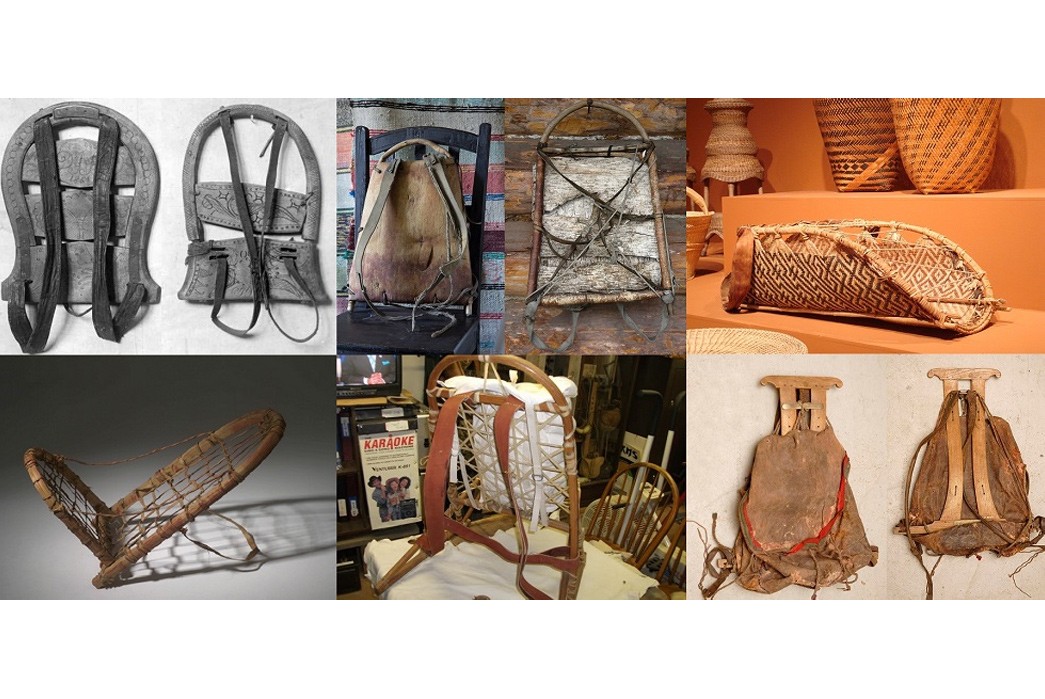
A Potted History of the Backpack
Course History of Design

TIL that modern school backpacks weren’t invented until 1967 and weren

Backpacking Backpack History at Paul Caison blog
Learn Simple Differences, Examples, Meanings, And Quick Grammar Tricks To Master English Confidently Today.
In This Article, We'll Explore The Difference Between The Terms.
Learn How To Use “Was” Vs.
In This Guide, You’ll Learn The Difference Between We’re, Were, And Where, How To Use Each Correctly, And Simple Tricks To Avoid Mistakes.
Related Post:
